Servicing Maitland & the Hunter Valley
Mon–Fri 7am–5pm · Sat 8am–2pm








HOME > BIRDS
Bird Control in Maitland
Pigeons and pest birds fouling your Maitland premises? BioStrike installs humane bird proofing such as spikes, netting and deterrents.
BIRDS
Pigeons, starlings, sparrows and mynas may look harmless, but as pest birds they create real hygiene, safety and maintenance problems, particularly for Hunter Valley businesses. Droppings corrode buildings, block gutters, spread disease and leave a mess that customers notice instantly. BioStrike provides humane, effective bird control that moves birds on for good without harming them.
BIRD SPECIALISTS
Why pest birds are a serious issue
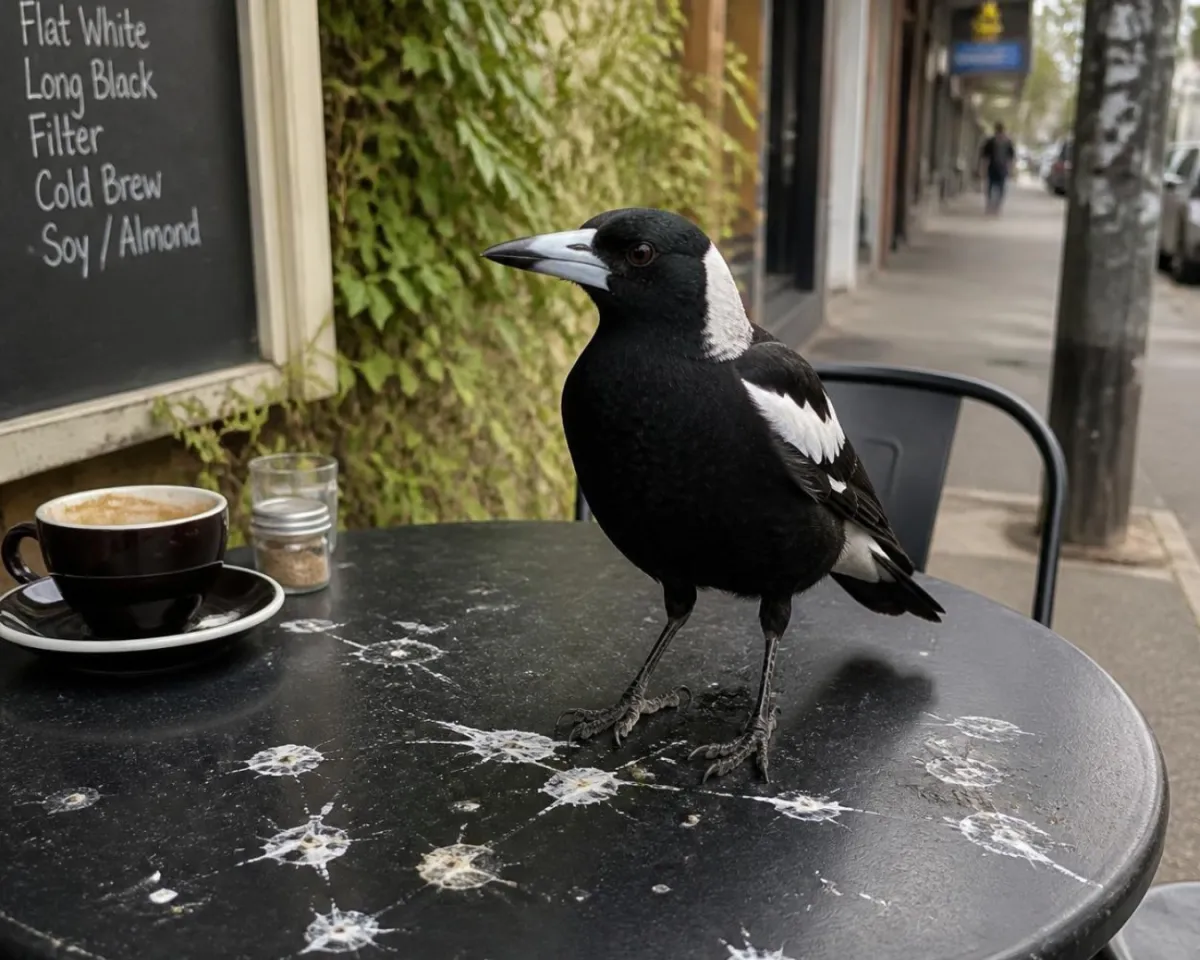
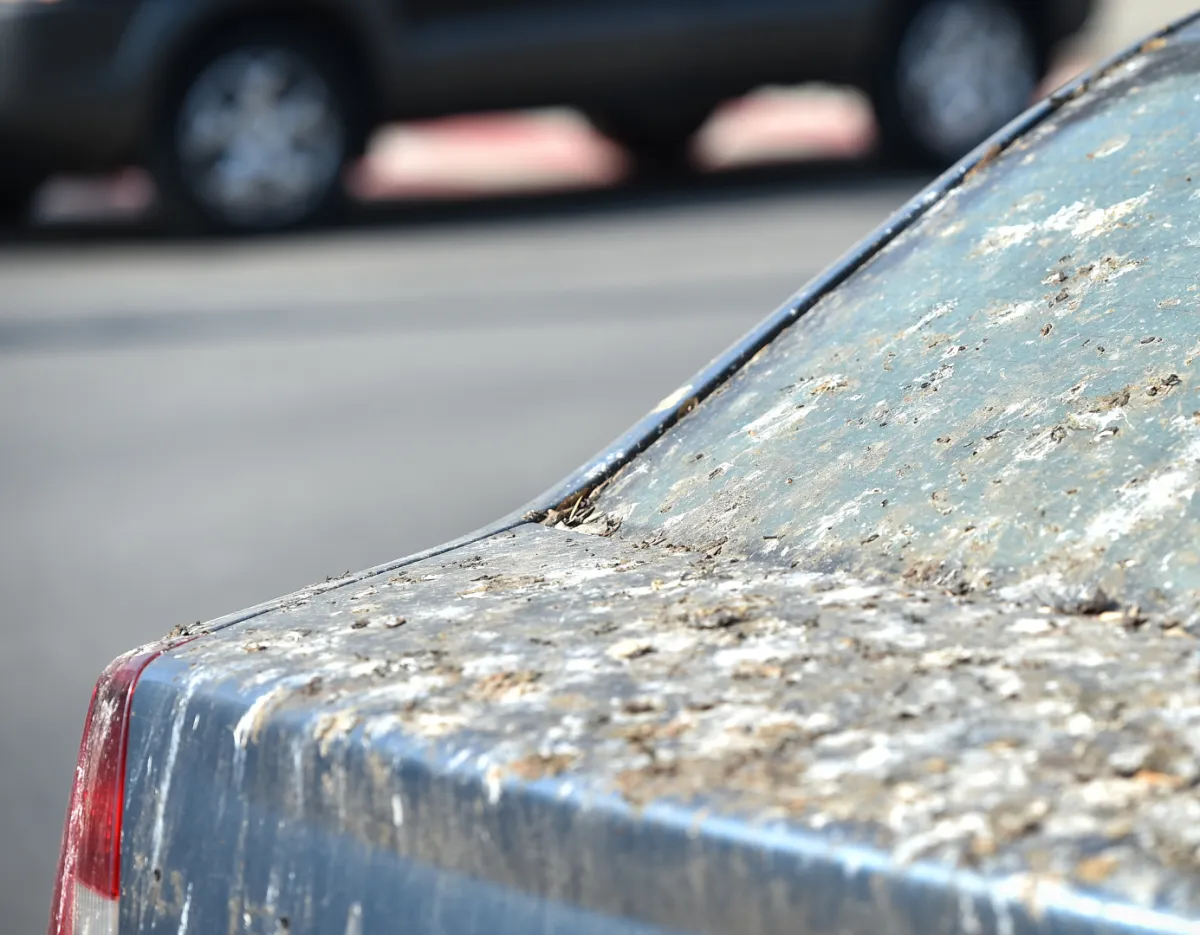
Bird droppings are acidic and will eat into paintwork, render, metal and stone over time, leading to expensive repairs. They also clog gutters and downpipes, causing water damage, and they carry a range of diseases and parasites that can affect people. For cafes, shopfronts and food premises, visible birds and droppings are a direct hygiene risk and a poor look that can cost you customers and even trigger compliance issues.
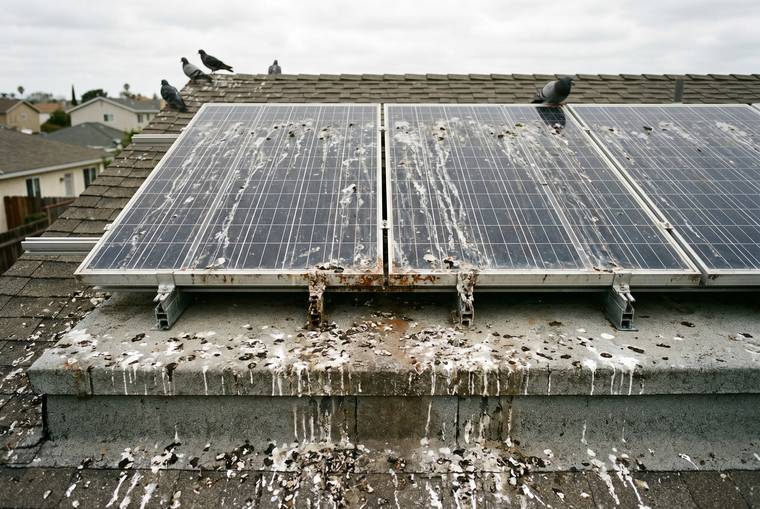
Pigeon droppings corroding a rooftop solar panel
Where birds become a problem
Pest birds roost and nest on ledges, beams, signage, solar panels, air-conditioning units and inside roof spaces. Warehouses with open eaves, shopping strips, awnings and loading docks are classic trouble spots. Once a flock establishes a roost, droppings accumulate quickly and the birds become stubbornly attached to the site.
Pigeon droppings corroding a rooftop solar panel
Signs of a bird problem
Droppings building up on ledges, awnings, footpaths or under roosting points.
Nests in signage, solar panels, gutters or roof cavities.
Feathers and nesting debris blocking gutters and downpipes.
Constant noise, mess and bird traffic around entrances and outdoor areas.
Humane proofing that actually works
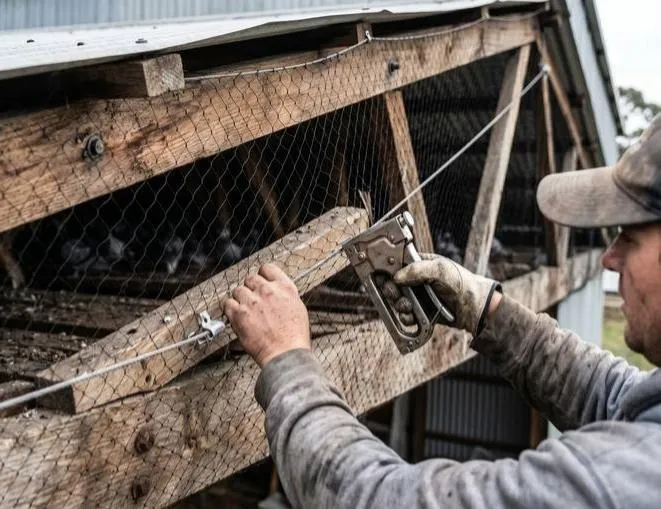
Effective bird control is about exclusion, making the site impossible to roost on, rather than harm. We design a solution matched to your building and the species involved:
Stainless steel bird spikes on ledges, signage and beams
Bird netting to seal off larger areas such as warehouse voids, courtyards and car parks
Post-and-wire deterrent systems for a discreet finish on heritage or retail frontages
Cleaning and decontamination of fouled areas once the birds are excluded
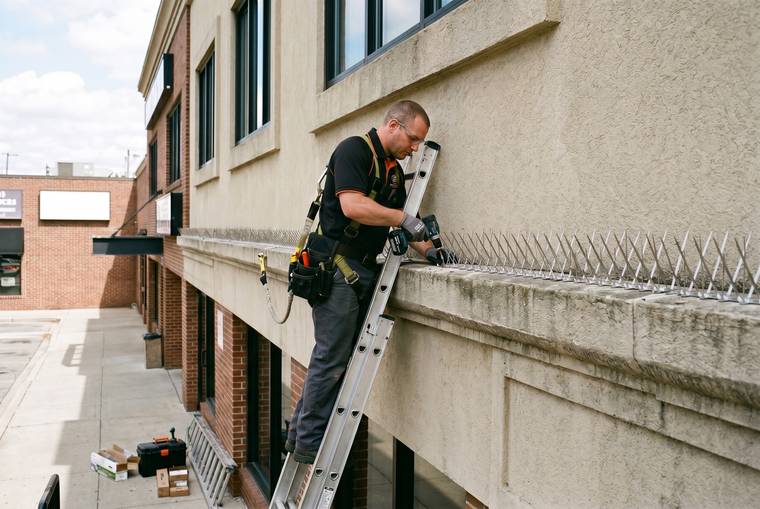
Installing stainless anti-roosting spikes along a ledge

Remove food sources and you remove half the problem. Ask staff and tenants not to feed birds, secure bins, and clean up food court and outdoor dining areas promptly, a reliable feed is what keeps a flock loyal to your site.
Prevention and maintenance
Block gaps under eaves, broken tiles and roof openings before birds nest.
Keep gutters clear so they do not become ready-made nesting sites.
Schedule periodic checks of solar panels, a favourite sheltered roost.
Act at the first sign of roosting, before droppings and nests accumulate.
Protect your premises and your reputation
Whether you manage a warehouse, a cafe strip or a single shopfront, a tidy, bird-free building protects both your property and your image. Talk to BioStrike about bird proofing tailored to your site.
HELPFUL INFORMATION
WHAT YOU NEED TO KNOW
The hidden costs of a bird problem
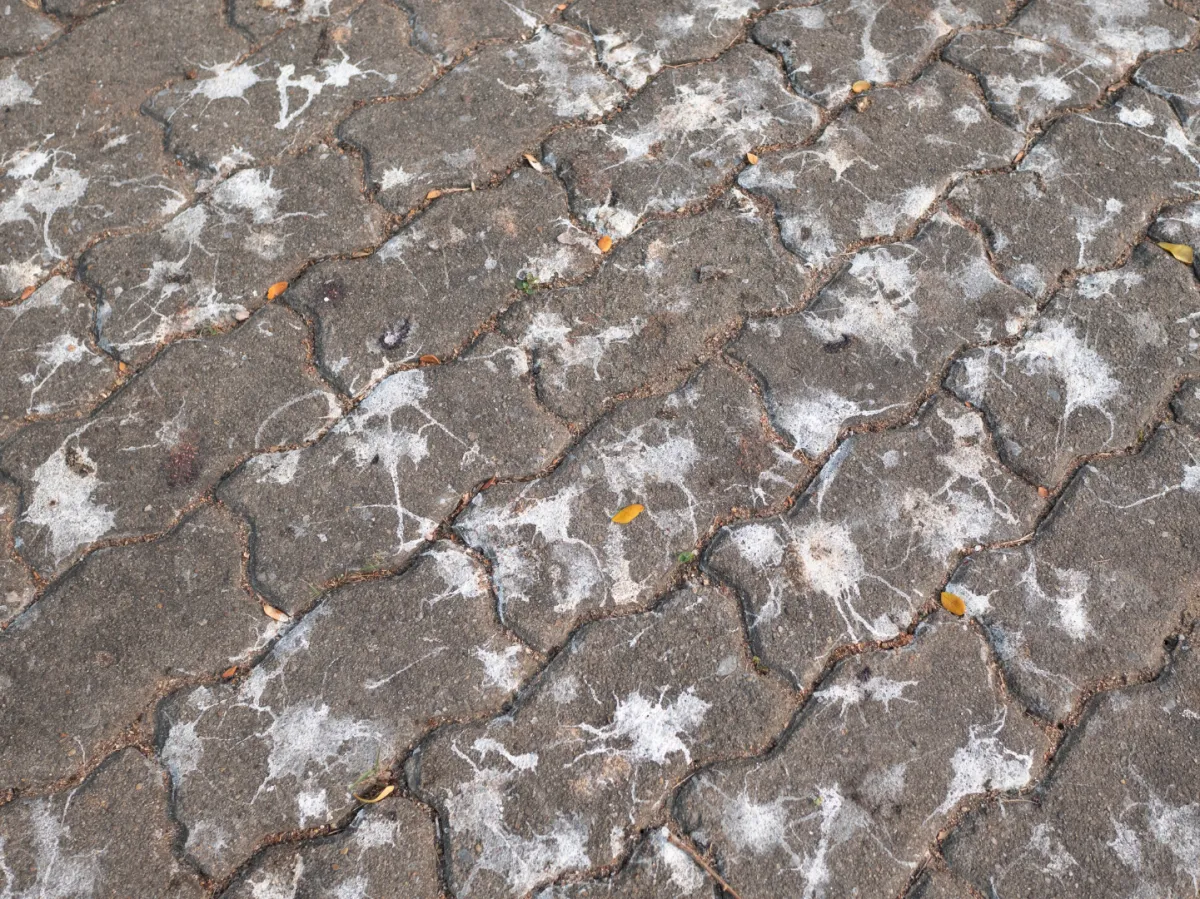
Pest birds quietly erode your building and your bottom line. Their acidic droppings corrode paint, render, metal and stone, shortening the life of the structure, while nests and debris block gutters and downpipes and cause water damage. Droppings on walkways create genuine slip hazards and a liability risk, and the diseases and mites birds carry add a health dimension. For any customer-facing business, the reputational cost of a visibly bird-fouled frontage is often the most expensive part of all.
Why deterrents must suit the building
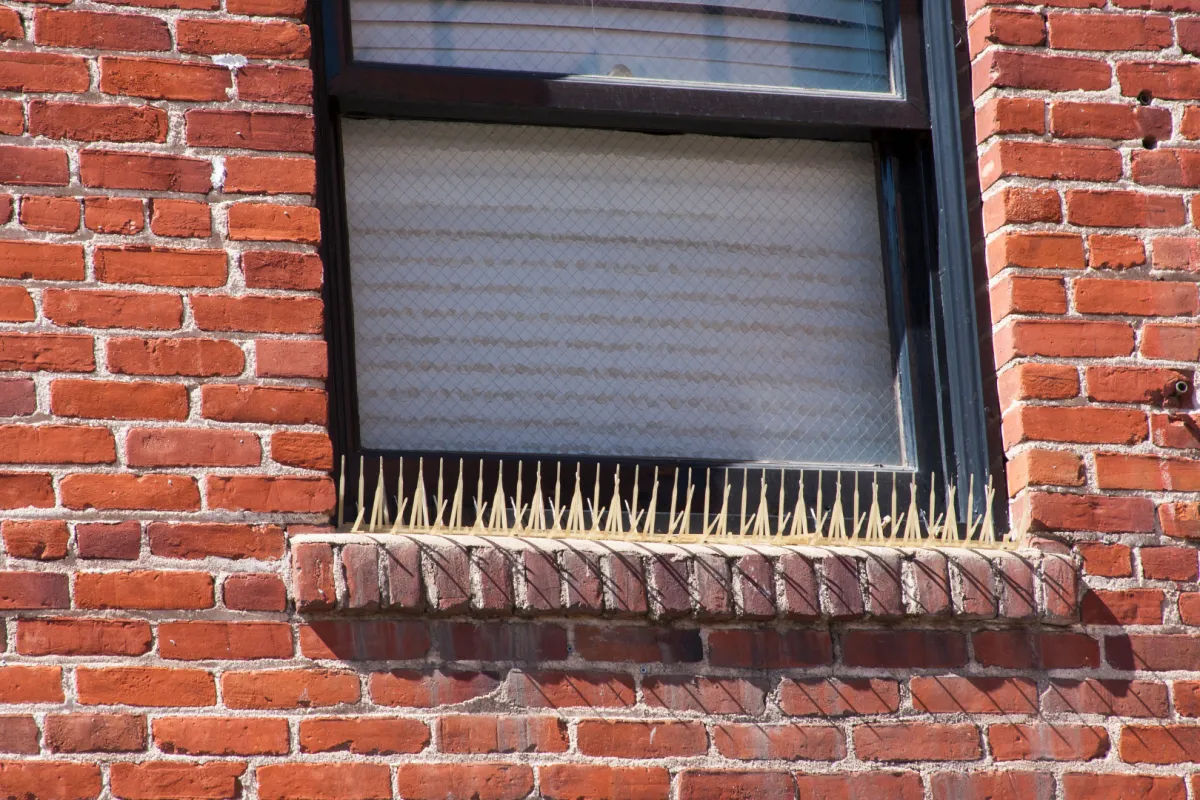
There is no single bird solution that suits every site, which is why a generic gadget from a hardware store rarely works for long. The right approach depends on the bird species, the structure and how the birds are using it. Spikes suit ledges and beams, netting seals larger voids and courtyards and discreet wire systems protect heritage and retail frontages without spoiling their look. We assess all of this before recommending a solution, so you are not paying for something that simply moves the birds a metre to the left.
What to expect from a bird control project
We start with a site inspection to identify the species, the roosting and nesting points, and the access issues involved. We then propose a proofing plan with clear options, carry out the installation safely (including at height where needed), and clean and decontaminate the affected areas. The result is a building that birds simply cannot settle on, finished in a way that respects the appearance of your premises.
Staying bird-free long term
Proofing does the heavy lifting, but a few habits keep birds from returning: secure waste and food areas, discourage feeding, keep gutters clear, and act quickly at the first sign of new roosting before droppings and nests build up. Periodic checks of solar panels and roof spaces, favourite sheltered spots, round out a low-maintenance, long-term result.
Acting early saves money
Bird problems compound over time: the longer a roost is established, the more droppings accumulate, the more nesting material builds up, and the more attached the flock becomes to your site. Addressing roosting at the first sign is far cheaper and simpler than tackling an entrenched colony and the cleanup, repairs and reputation damage that come with it.
Which birds cause the most trouble?
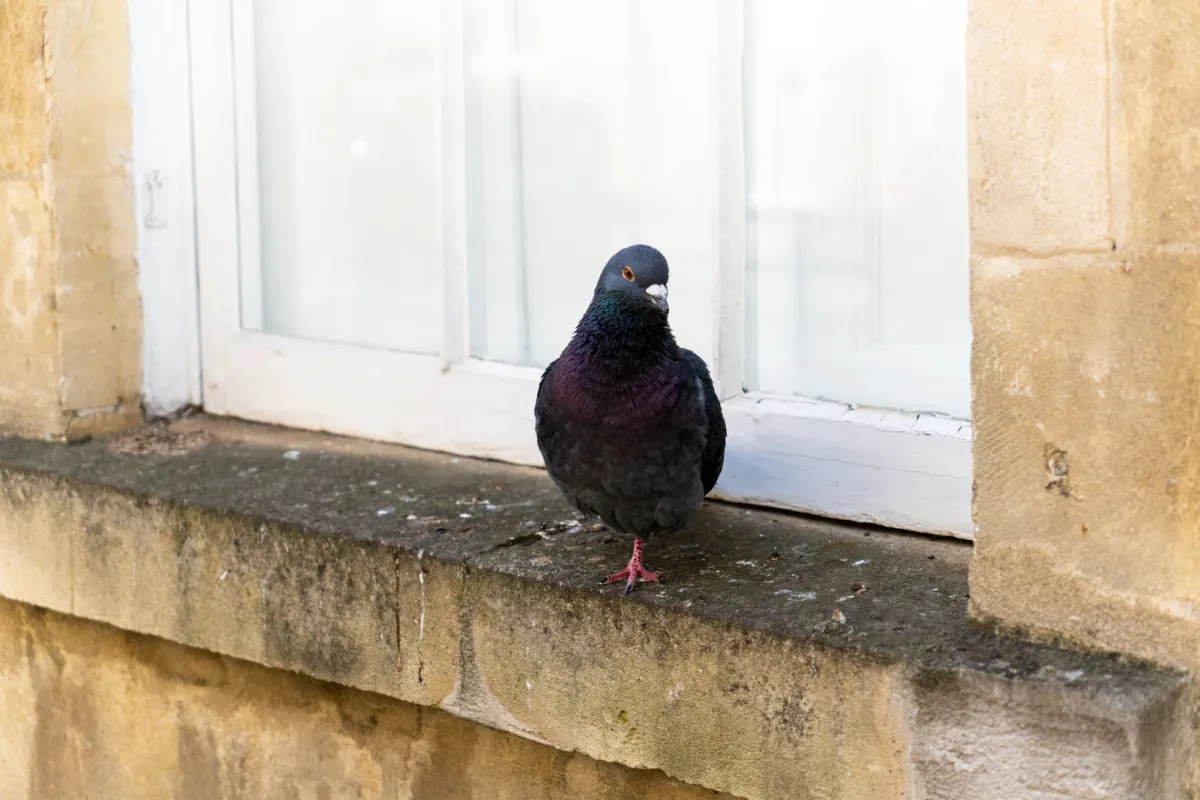
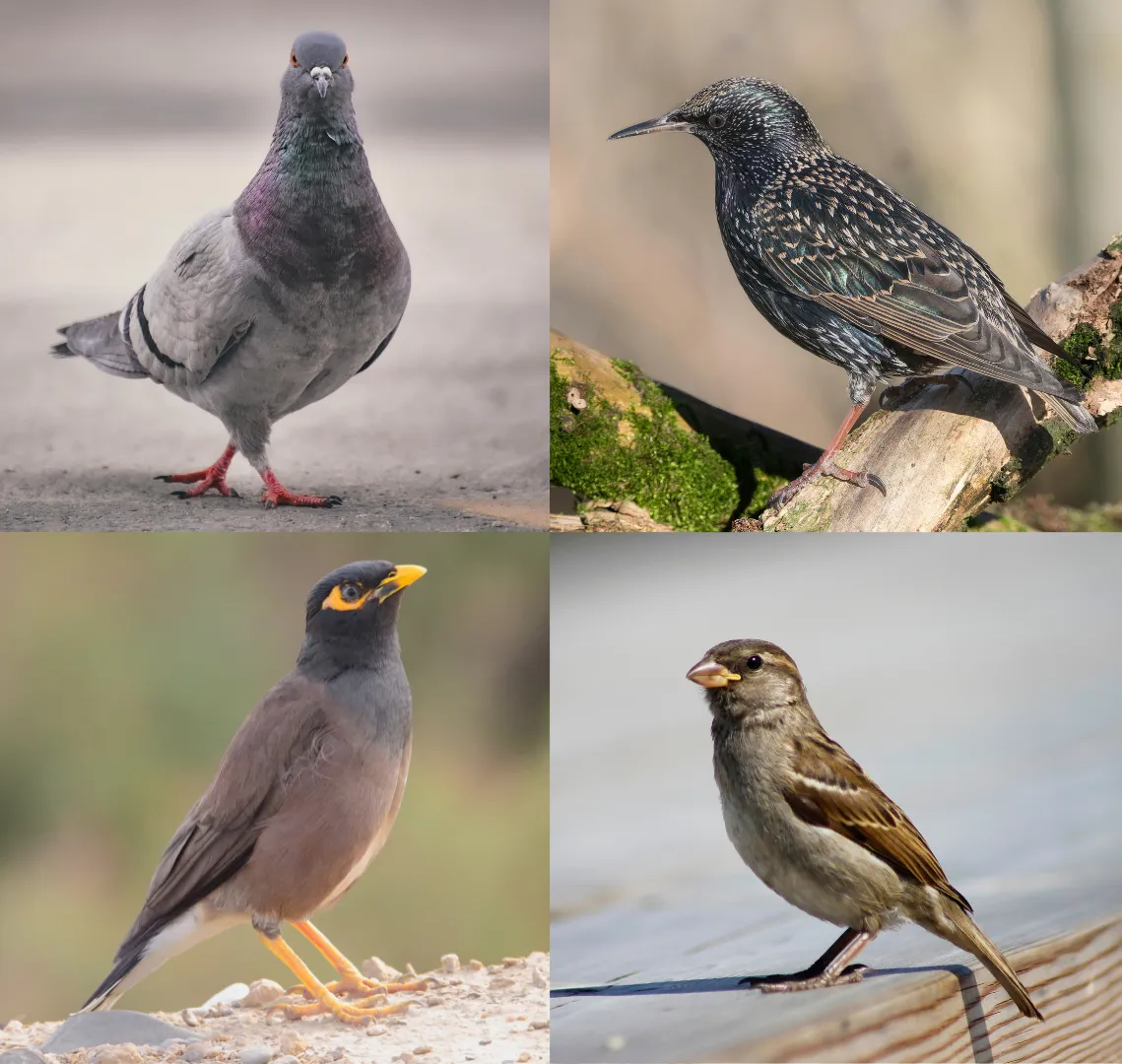
The main offenders around Hunter Valley homes and businesses are feral pigeons, common (Indian) mynas, starlings and sparrows. Pigeons are the heavyweight problem, producing large volumes of corrosive droppings and stubbornly returning to established roosts. Mynas and starlings are aggressive cavity-nesters that displace native birds and pack roof voids with nesting material, while sparrows squeeze into the smallest gaps in signage and eaves. Each behaves a little differently, which is why an accurate identification guides the most effective proofing solution.
Protect. Prevent. Eliminate.
Don’t let BIRDS settle in
Early action is cheaper and easier. Get a fast, free quote from your local Maitland pest team today.
PESTS WE TREAT
Dealing with something else?
WHAT LOCALS SAY
Trusted across the Hunter Valley
Tap any pest to learn the signs, the risks and exactly how BioStrike deals with it.

“They found termite activity our previous inspector completely missed, then sorted a treatment plan the same week. Genuinely saved us a fortune.”
Sarah M.
East Maitland
“Booked them for the cafe and the reporting is exactly what our food-safety auditor wanted to see. Discreet, on time, no fuss.”
Daniel K.
Cessnock
“Friendly, upfront about pricing and brilliant with our dog underfoot the whole time. The ants have not come back since.”
Priya S.
Thornton
SERVICE AREA
Proudly servicing Maitland & the Hunter Valley
Based in Chisholm, we look after homes and businesses across the region. If your suburb is not listed, get in touch – chances are we cover it.
Maitland
East Maitland
Rutherford
Chisholm
Thornton
Beresfield
Raymond Terrace
Kurri Kurri
Cessnock
Branxton
Singleton
Newcastle
Lake Macquarie
Port Stephens
FAQ'S
Questions, answered
IS BIRD PROOFING HUMANE? WILL THE BIRDS BE HARMED?
Our approach is exclusion, not harm. Spikes, netting and wire systems simply make ledges, beams and voids impossible to roost on, so the birds move elsewhere. We work within the protections that apply to native species and the aim is always to relocate the problem rather than the birds themselves.
WHICH PROOFING OPTION IS RIGHT FOR MY BUILDING?
It depends on the species and the structure. Stainless spikes suit ledges, parapets, signage and beams. Netting seals larger openings such as warehouse eaves, courtyards and car park voids. Discreet post-and-wire systems protect heritage and retail frontages without spoiling the look. We assess the site before recommending anything.
WILL YOU CLEAN UP THE EXISTING DROPPINGS AND NESTS?
Yes. Once the birds are excluded we remove nesting material and debris and clean and decontaminate the affected surfaces. This matters for more than appearance, because droppings are acidic and will keep eating into paint, render, metal and stone until they are removed.
ARE BIRD DROPPINGS REALLY A HEALTH RISK?
They are. Droppings and nesting material can carry diseases and parasites such as bird mites, and accumulated droppings on walkways create a genuine slip hazard and liability risk. For food premises and shopfronts they are also a direct hygiene issue that customers and auditors notice immediately.
HOW LONG DOES BIRD PROOFING LAST?
Professionally installed stainless spikes and netting are built to last for years with minimal maintenance. What shortens their life is a change to the building or a new food source appearing nearby, so we recommend periodic checks of gutters, solar panels and roof spaces to catch new roosting attempts early.
Licensed, insured and locally owned pest control protecting homes and businesses across Maitland and the Hunter Valley.
Local. Licensed. Ruthless on pests.
OUR SERVICES
PESTS WE TREAT
GET IN TOUCH
Mon–Fri 7am–5pm
Sat 8am–2pm
QUICK LINKS
Privacy Policy | Terms & Conditions
© 2026. BioStrike Pest Solutions. All rights reserved.