Servicing Maitland & the Hunter Valley
Mon–Fri 7am–5pm · Sat 8am–2pm







HOME > ANTS
Ant Control in Maitland
Persistent ant trails in your Maitland home or business? BioStrike tracks ants back to the nest and treats the colony for lasting control.
ANTS
Ants are the pest we are called to most often across Maitland and the Hunter Valley and for good reason. A handful of scouts exploring your benchtop can become a relentless highway within days and some species nest deep inside wall cavities and pavers where supermarket sprays never reach. Understanding how ants operate is the key to getting rid of them for good rather than just for the afternoon.
ANT SPECIALISTS
KNOW YOUR ENEMY
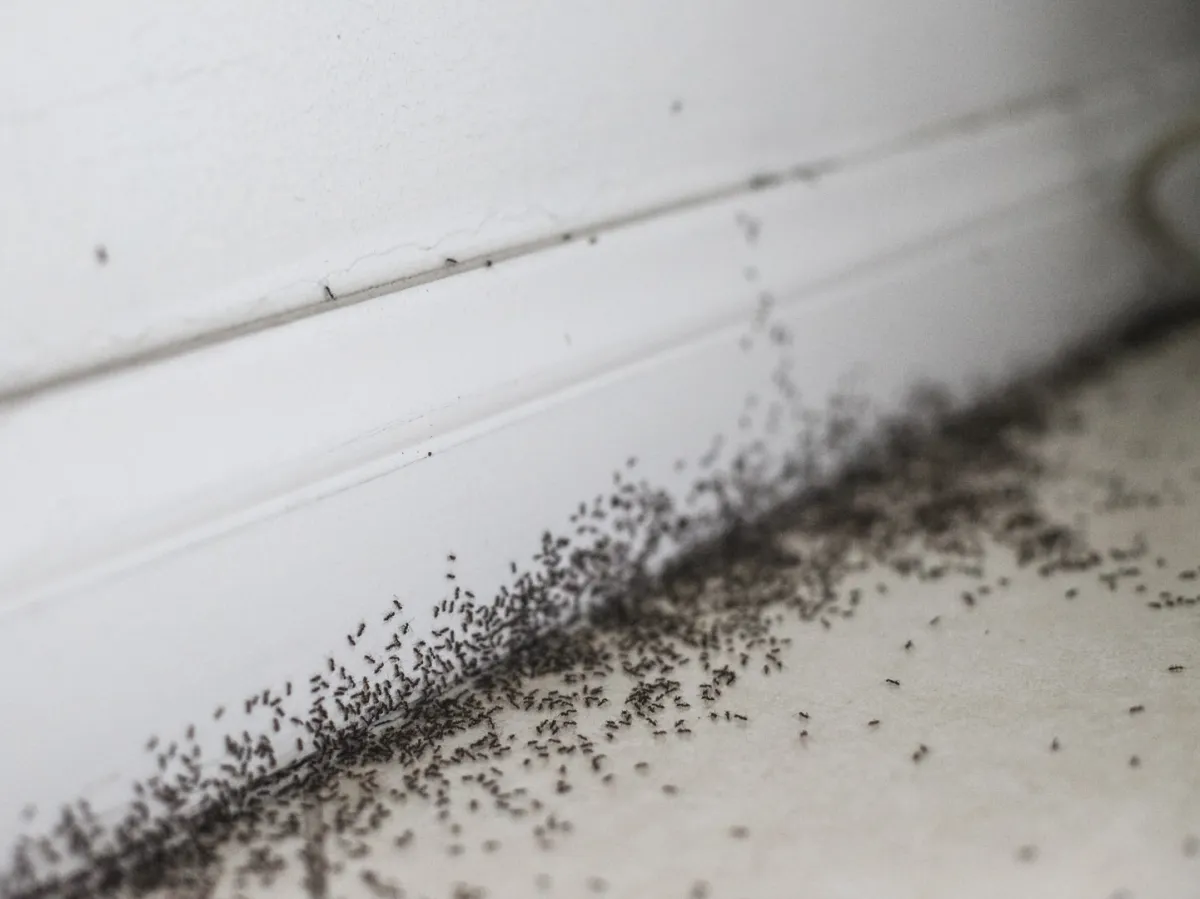
What you see on the kitchen bench is a tiny fraction of the colony. The vast majority of ants, including the queen who lays all the eggs, stay hidden in the nest. Foraging workers lay down chemical scent trails to guide the colony to food and water, which is why ants seem to appear from nowhere and always follow the same route. Killing the visible workers does nothing to the queen, so the colony simply sends more, which is the classic reason DIY control fails.
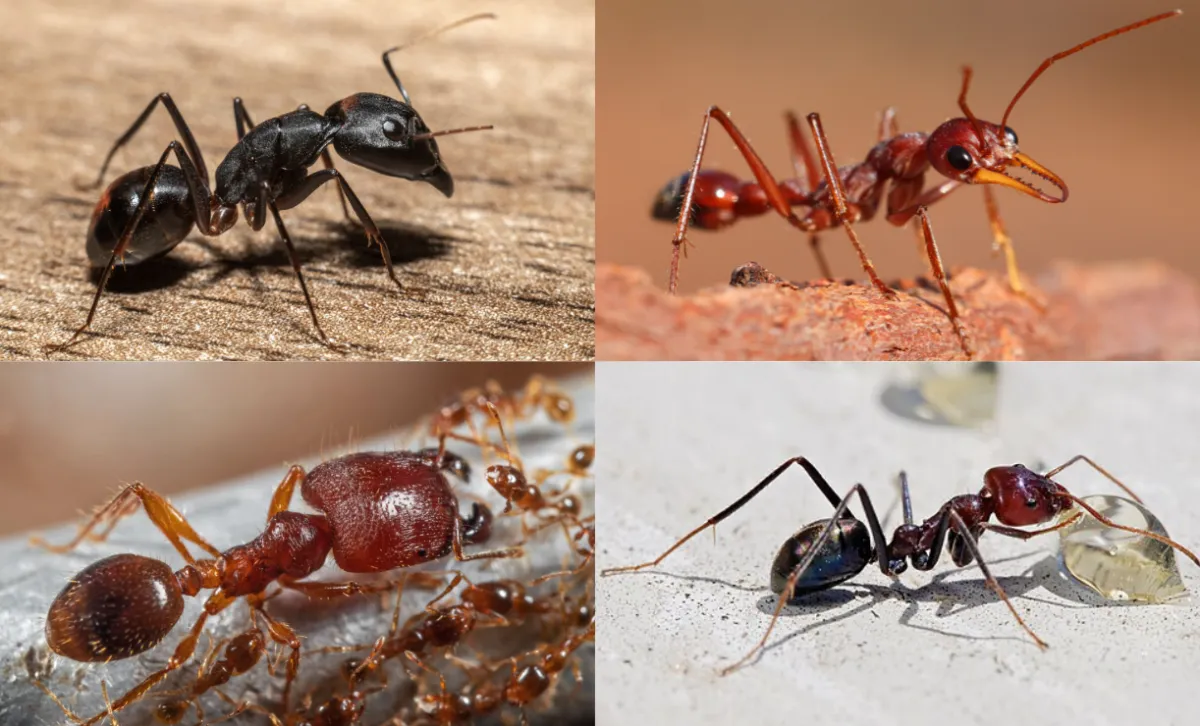
Common Hunter Valley species include tiny black house ants, larger aggressive bull ants in gardens, and coastal brown ants that nest in paving and disturbed soil. Some species also farm aphids and protect other pests, and a few can contaminate food preparation areas with bacteria, so an ant problem is not always as harmless as it looks.
Signs you have an ant problem
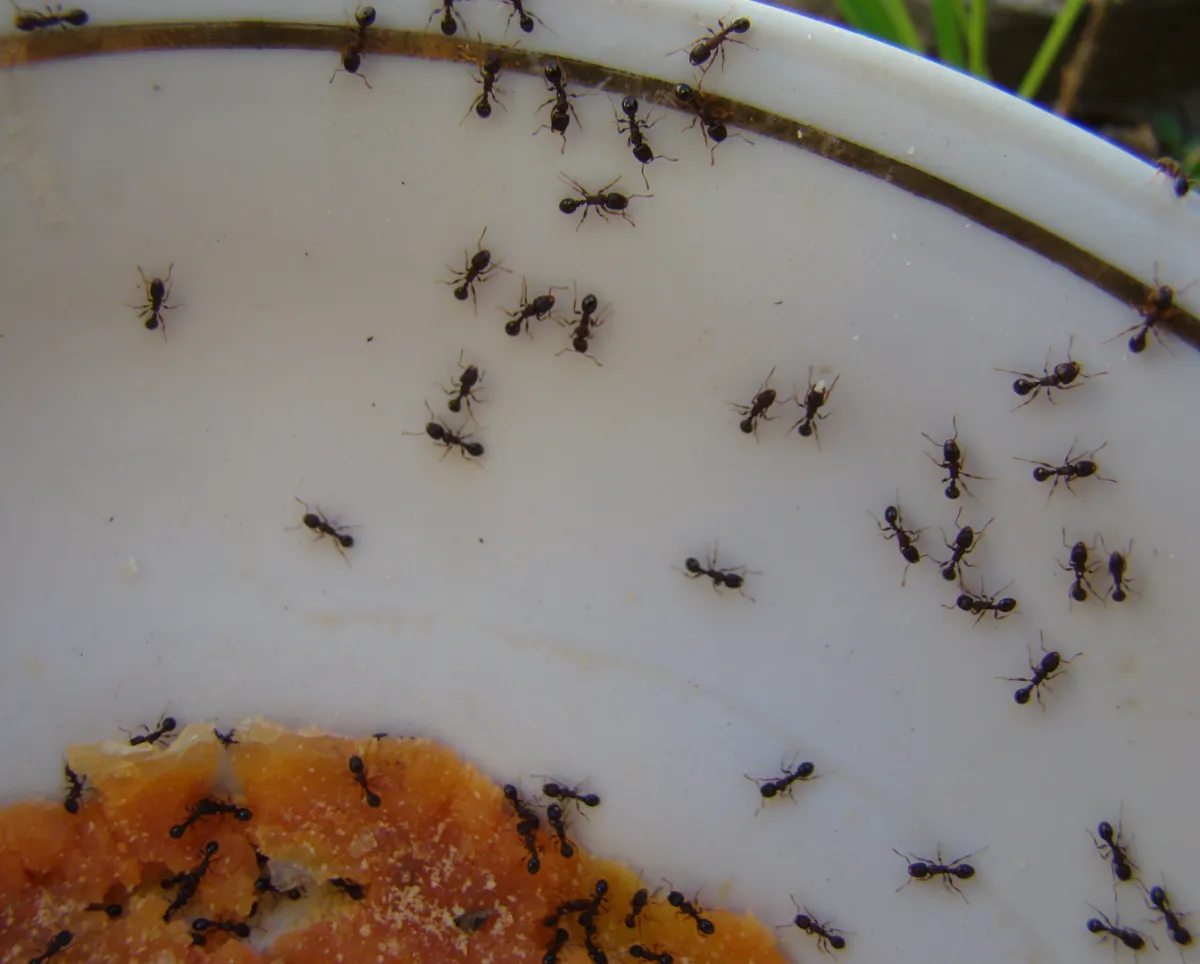
Persistent trails along skirting boards, benches, window frames or garden paths.
Small piles of fine soil or sand pushed up between pavers or along the slab edge.
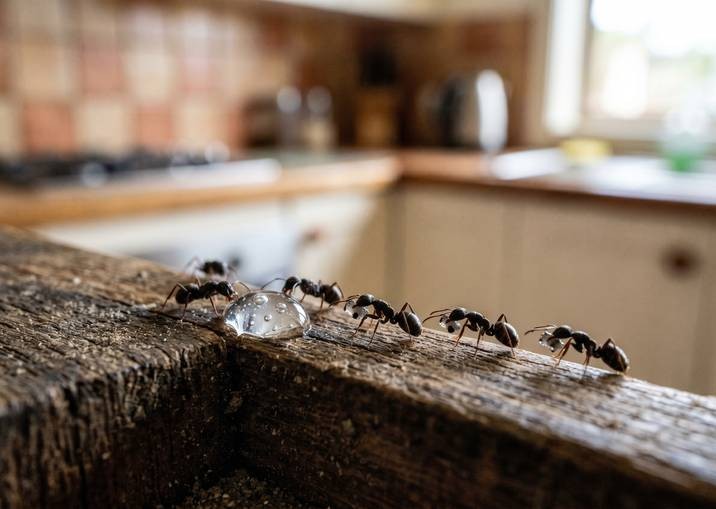
Ants swarming pet bowls, bins, sweet spills or the dishwasher.
Winged ants appearing indoors on warm, humid evenings, a sign a colony is nearby and breeding.
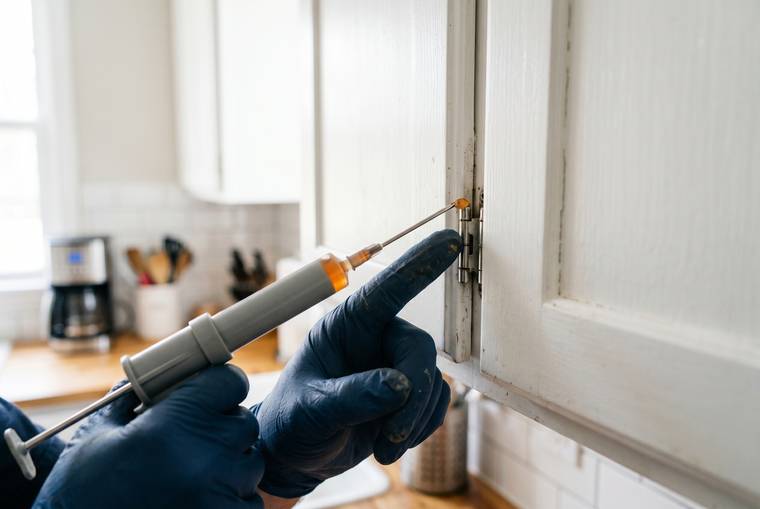
Targeted gel bait applied exactly where ants forage indoors
How BioStrike treats ants properly
Effective ant control works with the ants' own behaviour rather than against it. Our approach is methodical:
We identify the species, because the right bait and treatment differ from one ant to the next.
We locate nests and entry points, inside and out.
We apply targeted baits and non-repellent treatments that workers carry back to the queen, attacking the colony at its source.
We establish an external perimeter barrier to stop new colonies moving in.

Resist the urge to wipe out a trail with surface spray before we treat. A repellent spray scatters the colony and can trigger budding, where one nest splits into several. If ants appear, leave the trail and call us, it actually helps the bait work.

Prevention tips that genuinely help
Ants are hunting for food and water. Make your home less rewarding and you make it less attractive:
Wipe up spills immediately and store sugar, honey and pet food in sealed containers.
Rinse recyclables and keep bin lids closed and clean.
Seal gaps around pipes, power points and window frames where ants enter.
Trim plants touching the house and keep mulch back from the slab, both are ant highways.
HELPFUL INFORMATION
What to expect from your BioStrike treatment
We identify the species, place targeted baits at activity points, and apply a non-repellent barrier around entry points and the external perimeter. You can use treated areas again as soon as they are dry. Because baiting works progressively it may take time. You may see ants for a few days as they carry the bait back to the nest - this is the treatment doing its job. Some species or multi-nest infestations may require follow-up treatment.
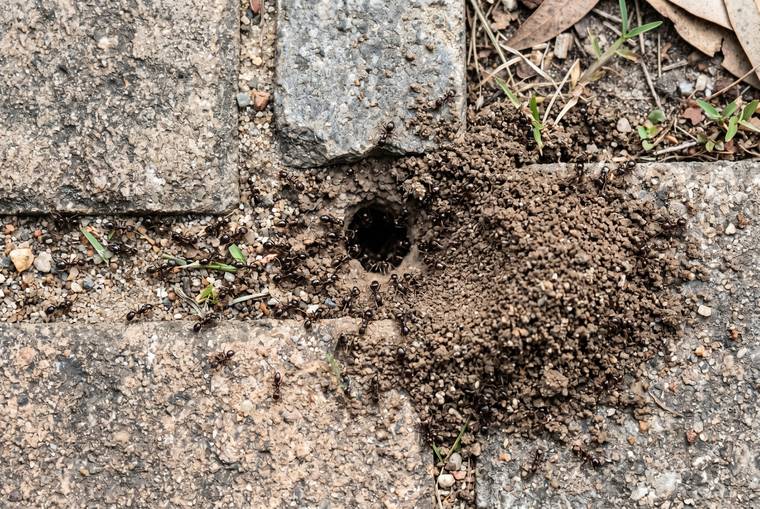
A busy ant nest entrance – the colony we target, not just the trail you see
Why the problem keeps coming back
If ants return every spring no matter what you do, the nest was never dealt with, only the foragers. Our colony-focused treatment breaks that cycle.
Book an ant treatment and get your kitchen back.
The real cost of an ant problem
It is tempting to dismiss ants as a harmless annoyance, but they earn their place as a genuine pest. Foraging ants travel between bins, drains and your food, transferring bacteria onto benches and into pantries. Some species nest inside wall cavities, subfloors and around damaged or damp timber, while others farm sap-sucking aphids and scale on your plants, weakening gardens. Bull ants and jack jumpers deliver painful stings that can cause serious allergic reactions in sensitive people.
Why supermarket sprays make ants worse
Reaching for a can of surface spray is the most common ant-control mistake. Repellent sprays kill the handful of workers you can see but never touch the queen, who simply keeps laying. Worse, they can trigger a survival response called budding, where a stressed colony splits into several smaller nests, turning one trail into many. Professional baiting works the opposite way: foragers carry a slow-acting bait back to the nest and feed it to the queen and brood, attacking the colony from the inside.
Ant activity through the Hunter Valley seasons
Ant pressure rises sharply through the warmer months. Spring and summer bring foraging surges and nuptial flights, often after humid weather, when winged ants leave to start new colonies. As autumn cools, some species move indoors seeking warmth and food.
Local. Licensed. Ruthless on pests.
Don’t let ants settle in
Early action is cheaper and easier. Get a fast, free quote from your local Maitland pest business today.
PESTS WE TREAT
Dealing with something else?
WHAT LOCALS SAY
Trusted across the Hunter Valley

“Friendly, upfront about pricing and brilliant with our dog underfoot the whole time. The ants have not come back since.”
Priya S.
Thornton
SERVICE AREA
Proudly servicing Maitland & the Hunter Valley
Based in Chisholm, we look after homes and businesses across the region. If your suburb is not listed, get in touch – chances are we cover it.
Maitland
East Maitland
Rutherford
Chisholm
Thornton
Beresfield
Raymond Terrace
Kurri Kurri
Cessnock
Branxton
Singleton
Newcastle
Lake Macquarie
Port Stephens
FAQ'S
Questions, answered
WHY DO THE ANTS KEEP COMING BACK AFTER I SPRAY THEM?
Because the ants you can see are only a small fraction of the colony, and the queen who lays all the eggs never leaves the nest. Killing foragers does nothing to her, so more are simply sent out. Worse, repellent sprays can trigger budding, where a stressed colony splits into several new nests.
HOW LONG DOES PROFESSIONAL ANT TREATMENT TAKE TO WORK?
You will usually notice a steady decline over several days as workers carry the bait back to the nest. Seeing ants during that window is actually a good sign that the bait is being distributed to the queen and brood.
SHOULD I CLEAN UP THE ANT TRAIL BEFORE YOU ARRIVE?
Please do not spray it. An active, undisturbed trail helps us find the nest and lets the bait do its work far more effectively. Wipe up any food spills by all means, but leave the ants and their trail alone until we have treated the area.
ARE ANTS IN THE KITCHEN A GENUINE HEALTH RISK?
They can be. Foraging ants travel across bins, drains and garden soil before crossing your benches and getting into food, transferring bacteria as they go. In a kitchen or food preparation area that is a real contamination concern, quite apart from the nuisance of ants in the sugar.
CAN ANTS ACTUALLY DAMAGE MY HOME?
Some species can. Certain ants nest inside wall cavities, subfloors and around damp or damaged timber, and they will exploit existing moisture problems. Others tunnel through paving and disturbed soil, lifting pavers over time. Bull ants and jack jumpers also deliver painful stings that can cause serious reactions in sensitive people.
Licensed, insured and locally owned pest control protecting homes and businesses across Maitland and the Hunter Valley.
Local. Licensed. Ruthless on pests.
OUR SERVICES
PESTS WE TREAT
GET IN TOUCH
Mon–Fri 7am–5pm
Sat 8am–2pm
QUICK LINKS
Privacy Policy | Terms & Conditions
© 2026. BioStrike Pest Solutions. All rights reserved.