Servicing Maitland & the Hunter Valley
Mon–Fri 7am–5pm · Sat 8am–2pm






HOME > CRICKETS
CRICKET Control in Maitland
Black field crickets swarming in summer? BioStrike treats Maitland properties to keep noisy, destructive crickets outside where they belong.
CRICKETS
Through the warmer months, black field crickets can descend on Hunter Valley properties in remarkable numbers, gathering around lights, garages and outdoor living areas and keeping everyone awake with their constant chirping. Beyond the noise, large populations damage fabrics and stored goods and draw in the spiders and other predators that feed on them. BioStrike brings crickets under control before they take over.
CRICKET SPECIALISTS
Understanding cricket invasions
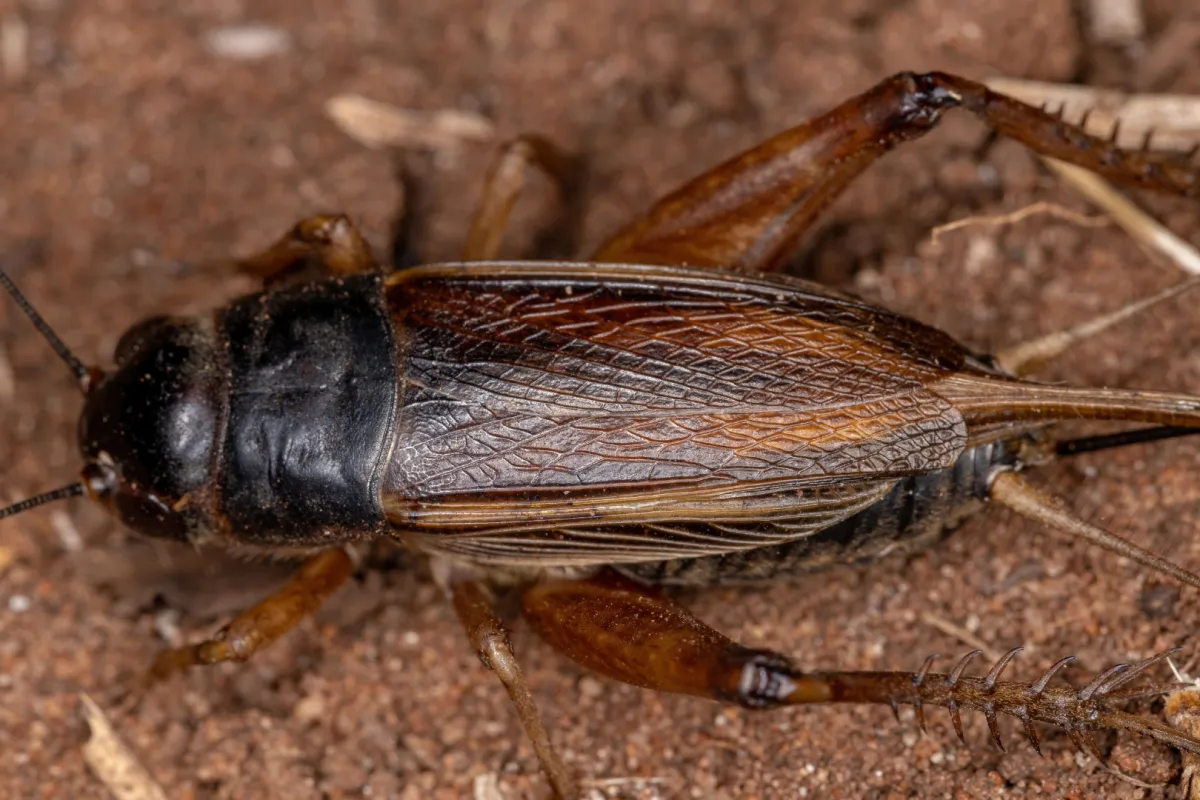
Field crickets breed in warm, humid conditions and are strongly attracted to light at night, which is why they cluster around security lights, doorways, garages and windows after dusk. After heavy summer rain followed by warm weather, numbers can explode seemingly overnight. While a single cricket is harmless, a large invasion is genuinely disruptive and signals ideal breeding conditions around your property.
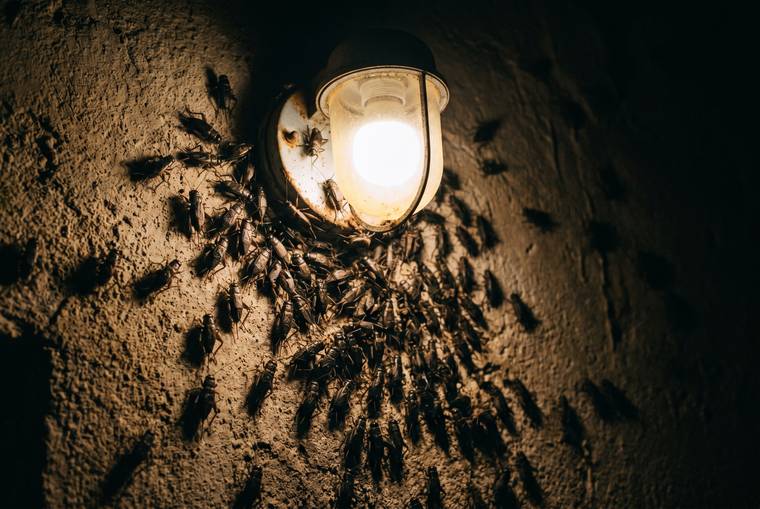
Field crickets massing around an exterior light at night
Signs of a cricket problem
Persistent chirping around the house and garage at night that disrupts sleep.
Crickets clustering near outdoor lights, doorways and windows.
Small chew marks on fabric, paper, carpet or stored goods.
A sudden surge in numbers after warm, humid weather.
Large numbers becoming a food source that attracts spiders and other predators indoors.
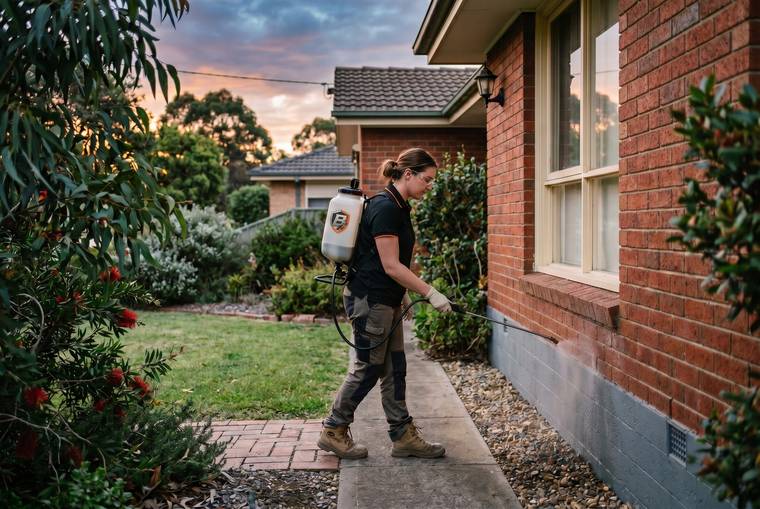
A residual barrier sprayed around the foundation at dusk
How BioStrike controls crickets
Crickets are an outdoor problem that spills indoors, so that is where we focus:
We apply a targeted external barrier around the foundation, entry points and lighting.
We treat harbourage areas in garden beds, mulch, debris and along fence lines.
We address the moist, sheltered conditions where crickets breed and shelter by day.
We advise on lighting and sealing changes that make your home far less inviting.

Swap white outdoor globes for warm-toned or yellow LED lights, which are far less attractive to crickets and other night-flying insects, and switch off unnecessary external lights during peak invasions.

Prevention tips
Seal gaps under doors and around windows, vents and weep holes.
Reduce moisture by fixing leaks and improving drainage near the house.
Clear leaf litter, long grass, timber piles and debris close to the walls.
Keep garden beds and mulch trimmed back from the foundation.
CHIRPING CRICKETS
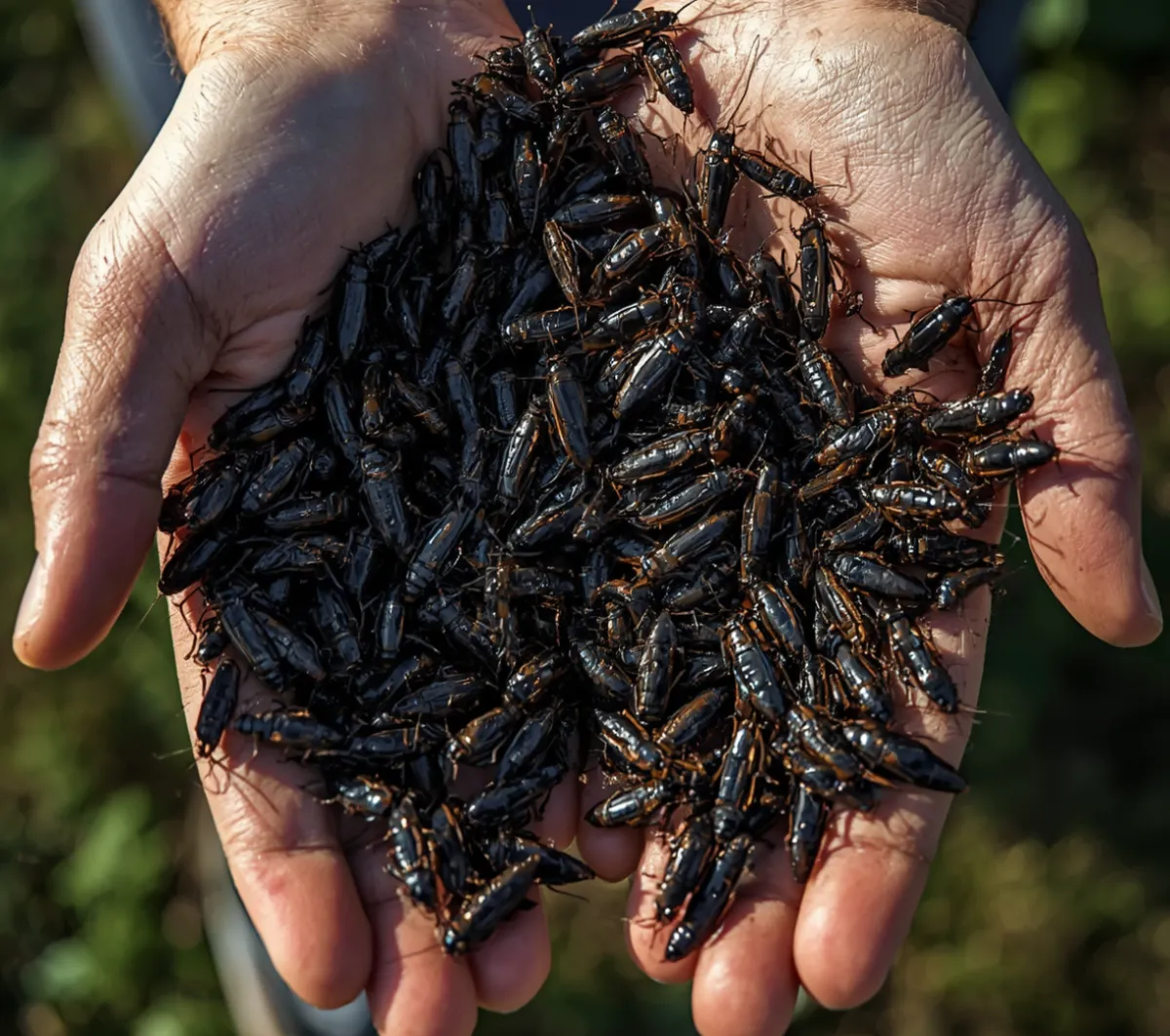
A few crickets are harmless but a genuine invasion is surprisingly disruptive. Beyond the relentless night-time chirping that ruins sleep, large numbers chew on fabrics, paper, carpet and stored goods and their droppings stain surfaces. Crickets also sit near the bottom of the food chain, so a heavy population draws in spiders, centipedes and other predators that follow the food supply straight towards your home, turning one pest problem into several.
You do not have to surrender your summer evenings to a chorus of crickets. A targeted treatment and a few simple changes make a dramatic difference. Get in touch with BioStrike for fast, effective cricket control.
HELPFUL INFORMATION
WHAT YOU NEED TO KNOW
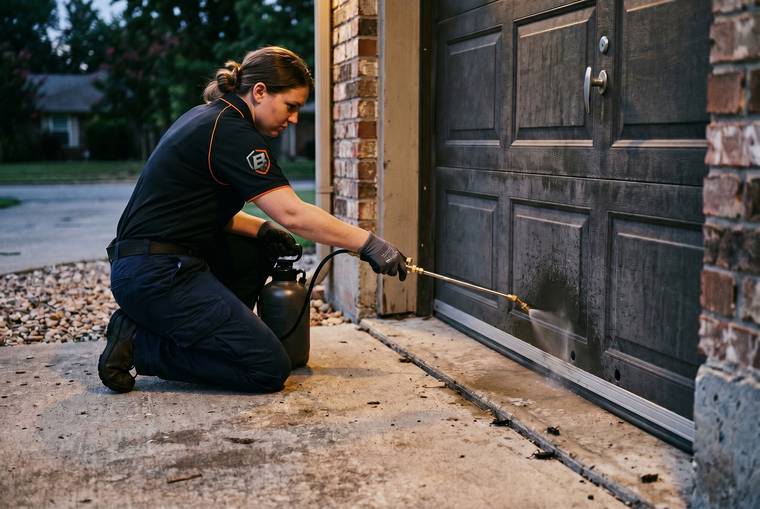
Sealing and treating entry points like garage thresholds
What attracts crickets to your property
Crickets are drawn to warmth, moisture and especially light. Bright white outdoor and security lighting acts like a beacon on summer nights, while damp garden beds, mulch, long grass, woodpiles and debris give them cool, sheltered places to hide and breed by day. Gaps under doors and around vents then provide the doorway indoors. Understanding these attractions is the key to keeping numbers down.
Sealing and treating entry points like garage thresholds
When crickets peak in the Hunter Valley
Field cricket numbers surge through summer and early autumn, often exploding after warm, humid spells and summer storms. Because the trigger is weather, an invasion can seem to arrive overnight. Treating proactively at the start of the warm season, rather than waiting for the chorus to become unbearable, keeps populations from ever reaching nuisance levels around your home.
Are crickets dangerous and will they damage my home?
Crickets do not bite people or carry disease in any meaningful way, so they are not a health threat. The real problems they cause are nuisance and damage: relentless noise that wrecks a good night's sleep, chewing damage to clothing, curtains, carpet, paper and stored goods and the way a large population draws predatory spiders and centipedes towards the house. In other words, crickets are rarely a crisis on their own, but a heavy invasion is genuinely unpleasant and worth controlling before it gets a foothold.
Professional control versus chasing them yourself
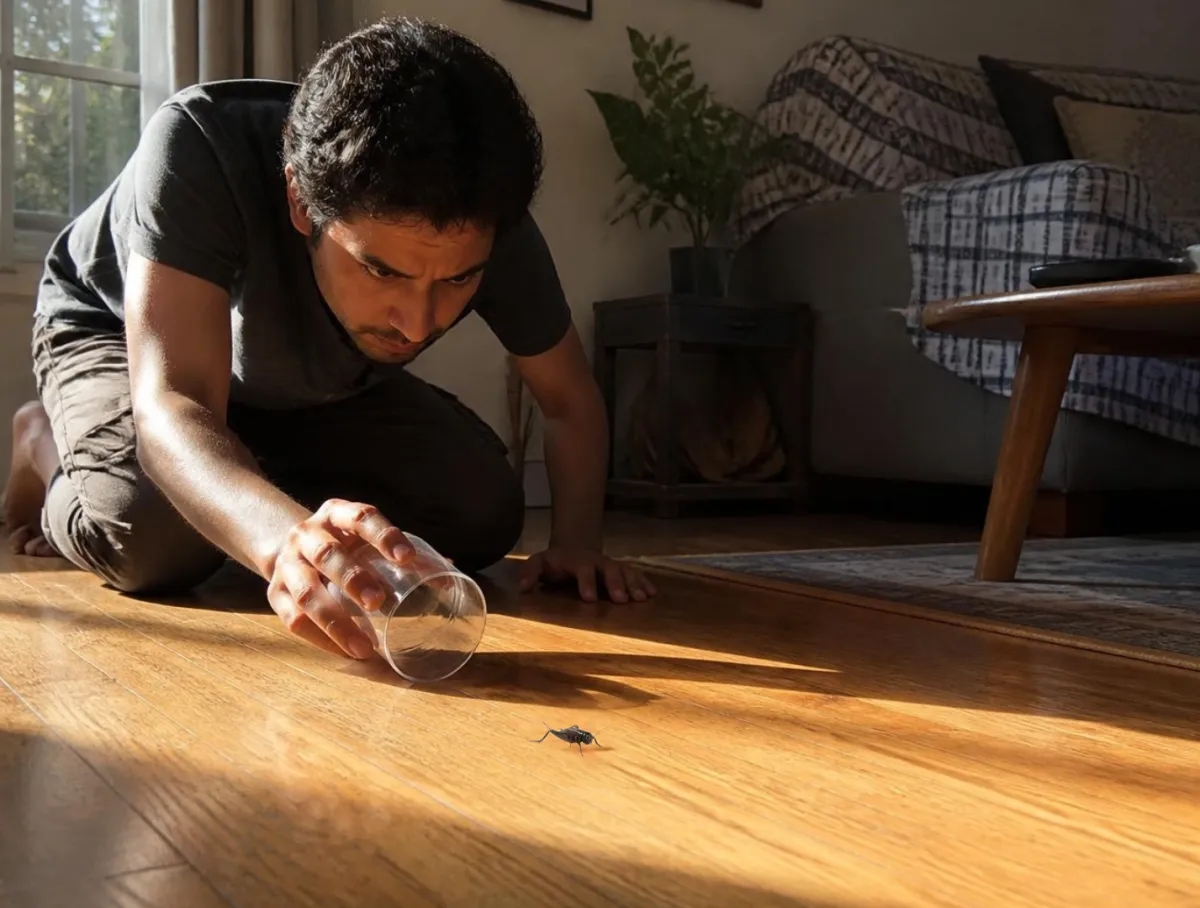
Squashing the crickets that make it indoors, or spraying them one by one, never addresses the population breeding and sheltering outside. A professional perimeter and harbourage treatment tackles the source, dramatically reducing how many ever reach your living spaces. Paired with lighting and moisture changes, it is the difference between a one-off knockdown and quieter summer evenings.
Local. Licensed. Ruthless on pests.
Don’t let THE CRICKETS settle in
Early action is cheaper and easier. Get a fast, free quote from your local Maitland pest business today.
PESTS WE TREAT
Dealing with something else?
WHAT LOCALS SAY
Trusted across the Hunter Valley

“Friendly, upfront about pricing and brilliant with our dog underfoot the whole time. The ants have not come back since.”
Priya S.
Thornton
SERVICE AREA
Proudly servicing Maitland & the Hunter Valley
Based in Chisholm, we look after homes and businesses across the region. If your suburb is not listed, get in touch – chances are we cover it.
Maitland
East Maitland
Rutherford
Chisholm
Thornton
Beresfield
Raymond Terrace
Kurri Kurri
Cessnock
Branxton
Singleton
Newcastle
Lake Macquarie
Port Stephens
FAQ'S
Questions, answered
WHY HAVE SO MANY CRICKETS APPEARED ALL AT ONCE?
Black field crickets breed in warm, humid conditions, so numbers can explode within days after summer rain followed by warm weather. They are also strongly drawn to light at night, which is why they seem to gather suddenly around security lights, doorways, garages and outdoor living areas.
CAN CRICKETS DAMAGE MY HOME OR BELONGINGS?
They can. In large numbers crickets chew on fabric, curtains, carpet, paper and stored goods, and their droppings stain surfaces. The bigger indirect problem is that a heavy cricket population becomes a food source that draws spiders and centipedes towards the house, turning one nuisance into several.
WILL TREATMENT ACTUALLY STOP THE NIGHT-TIME NOISE?
Yes, substantially. Because we treat the external harbourage and perimeter where crickets shelter and breed, we reduce the population around the house rather than just the few that make it indoors. Most clients notice a drop in chirping within days of the barrier going down.
WHAT LIGHTING CHANGES HELP REDUCE CRICKETS?
Swap white outdoor globes for warm-toned or yellow LEDs, which are far less attractive to crickets and other night-flying insects, and switch off unnecessary external lights during peak invasions. Moving a light away from a doorway also stops crickets congregating exactly where they can get inside.
Licensed, insured and locally owned pest control protecting homes and businesses across Maitland and the Hunter Valley.
Local. Licensed. Ruthless on pests.
OUR SERVICES
PESTS WE TREAT
GET IN TOUCH
Mon–Fri 7am–5pm
Sat 8am–2pm
QUICK LINKS
Privacy Policy | Terms & Conditions
© 2026. BioStrike Pest Solutions. All rights reserved.